
Patents and disclosure: what to check before a trade fair
A new product may be presented months before it goes on sale. Trade fairs, demonstration videos and meetings with potential distributors are important opportunities, but they may make technical information available before a patent application is filed. Coordinating communication and protection requires an advance assessment of what will be shown, to whom and the filing documents.
What novelty means
Article 46 of the Italian Industrial Property Code considers an invention new if it is not part of the prior art. This includes anything made available to the public, in Italy or abroad, before filing through descriptions, use or other means. Article 54 of the European Patent Convention adopts a similar approach for a European application.
The assessment therefore also covers disclosures made by the company itself. The dates and content of communications must be established, taking account of any validly claimed priority. Specific rules also apply to earlier patent applications published later. Novelty is one of the requirements to examine; an initial search alone does not guarantee that a patent will be granted or valid.
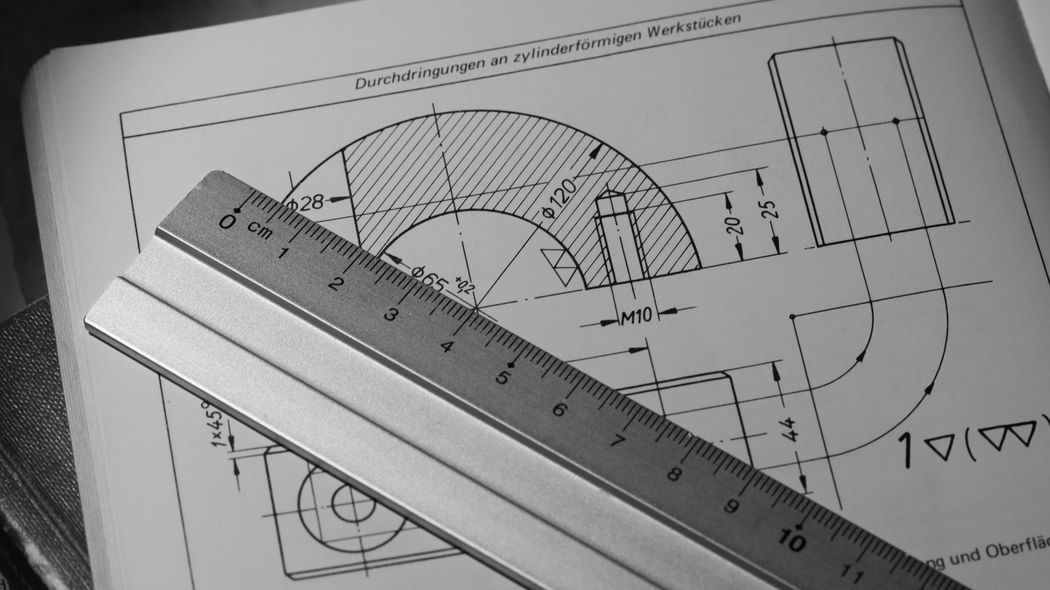
Trade fairs, videos and samples: assessing disclosure
A demonstration open to visitors, a technical brochure, a video on the website or delivery of a sample may reveal a solution. The analysis must consider the information actually made available and the conditions of communication. Presenting a product and explaining how its mechanism works may disclose different information, which must be assessed against the invention to be protected.
It is useful to prepare in advance the materials intended for the public and those reserved for authorised recipients. The assessment should also cover press releases, pre-sale pages, presentations by collaborators and demonstrations at third-party premises. Arrangements for distributing materials should be agreed with organisers and commercial partners before the event.
The exceptions are not a general grace period
Article 47 of the Italian Code governs specific cases of non-prejudicial disclosure, including evident abuse and certain official or officially recognised exhibitions. For a European application, Article 55 of the Convention provides exceptions concerning evident abuse or qualifying international exhibitions, relating to disclosures within the six months preceding the filing of the European application.
These provisions have specific requirements and may involve documentary formalities. Not every commercial trade fair is an exhibition covered by the legislation, and there is no general grace period for a European application covering every voluntary disclosure by the inventor. If a communication has already taken place, it must be examined promptly, without assuming that a later filing will neutralise its effects.
Confidential exchanges and the content of the application
When development requires discussions with suppliers or investors before filing, confidentiality must be arranged before information is exchanged. An agreement can define the information, recipients, purpose, copies and permitted uses. Restricted access and traceable transmissions help document how the communication took place. A later agreement does not automatically make confidential what has already become public.
The content of the application also requires attention. Article 51 of the Italian Code and Article 83 of the Convention require a description sufficiently clear and complete for a person skilled in the art to carry out the invention. Filing a generic description of a project to meet a commercial deadline may therefore leave protection issues unresolved. Preparation requires coordination between technical and legal expertise.
A hypothetical example before a trade fair
Imagine a company develops a new closing mechanism and plans to display a prototype at a trade fair. Its sales team prepares a video showing internal views, while a supplier needs to receive construction drawings. Before dissemination, the company checks which features of the solution are revealed by the materials and whether the application has been adequately prepared.
In this hypothetical example, the exchange with the supplier is governed by confidentiality obligations, and the public timetable is coordinated with the filing strategy. If a video had already been published, its date, content and accessibility would need to be established. Removing it would not automatically erase a disclosure that had already occurred. The outcome would depend on the facts and applicable rules.
Coordinating protection and the commercial timetable
A shared timetable should connect development, prior-art checks, preparation of the application and the first public communication. It should identify the materials that may be released and who authorises any changes. Keeping versions of presentations and delivery dates makes it possible to reconstruct the project’s stages accurately.
Patent protection also requires decisions about the territories of interest and relationships with collaborators and partners. If the product evolves, new technical solutions must also be assessed before they are communicated. This coordination makes it possible to approach the launch with a clearer understanding of the rights sought, the limits of the application and the obligations undertaken.
Sources and references
- Normattiva — Italian Legislative Decree 30/2005, Articles 46, 47 and 51, current text
- EPO — European Patent Convention, Article 54, novelty
- EPO — European Patent Convention, Article 55, non-prejudicial disclosures
- EPO — European Patent Convention, Article 83, disclosure of the invention
- EPO — Inventors’ handbook: disclosure and confidentiality
Informational article prepared with assistance from artificial intelligence tools. It does not replace assessment of the specific case. Legislation and guidance must be checked against the relevant date and facts.